Belsize Park station moving tips for tight access removals
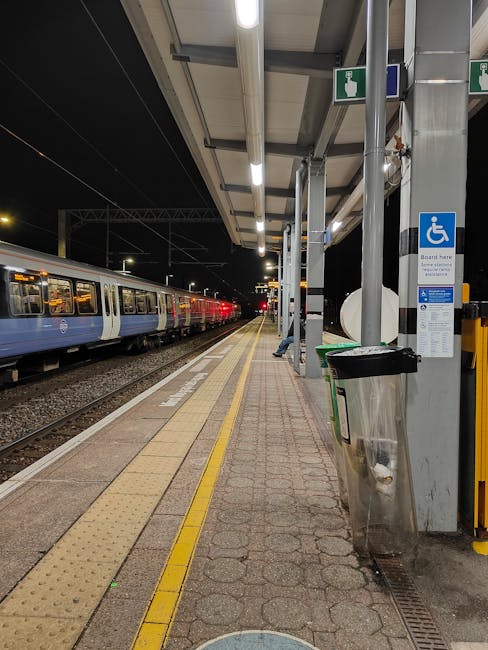
If you are moving near Belsize Park station, you already know the kind of headache tight access can create. Narrow streets, awkward stairwells, limited kerb space, basement flats, and the odd "how on earth does this sofa fit through here?" moment all come with the territory. The good news is that Belsize Park station moving tips for tight access removals are not complicated once you plan them properly. With the right preparation, even a tricky move can feel calm, controlled, and surprisingly straightforward.
This guide walks you through what makes these removals different, how to plan around access issues, what to avoid, and how to keep the day moving without the usual stress. If you are weighing up options, the right kind of man and van support, thoughtful packing, and a clear route plan can make a bigger difference than most people expect. Let's get into the practical stuff.
Why Belsize Park station moving tips for tight access removals Matters
Tight access turns a normal house move into a logistical puzzle. Around Belsize Park station, that puzzle often includes terraced streets, basement entrances, shared hallways, awkward parking, and lots of foot traffic. None of that is impossible, but it does mean timing and judgement matter more than brute force. You cannot simply arrive, unload, and hope for the best. Well, you can, but it usually ends with somebody carrying a mattress around the block and muttering under their breath.
What makes this area especially sensitive is the mix of residential buildings and transport activity. A move that runs late can affect neighbours, lift users, parked vehicles, and even the loading pattern outside the property. In tight-access removals, one small delay can snowball into lifting problems, extra carrying distance, or damage to bannisters and door frames. That is why planning matters so much.
There is also a hidden benefit to careful planning: it reduces physical strain. When access is restricted, you end up handling items more times unless you organise them properly. Good planning means fewer awkward turns, fewer set-downs on pavements, and fewer surprises when a wardrobe reaches the doorway and simply refuses to cooperate.
Expert summary: The best tight-access move is usually not the fastest one at the start. It is the one that has been measured, timed, packed, and routed properly before the van even arrives.
For people moving home, flat residents, landlords, or anyone managing a smaller office relocation, it is worth looking at services that already understand local constraints, such as flat removals, home moves, and office removals. Those pages are useful if you are comparing the right type of support for your move.
How Belsize Park station moving tips for tight access removals Works
Tight access removals work best when you treat the property like a route map, not just a destination. Before the move day, someone should think through the journey from front door to van: stairs, landings, front path, pavement width, vehicle stopping point, and any spots where a bulky item might catch. This is the simple part that many people skip.
In practical terms, the process usually looks like this:
- Assess the access. Measure doorways, stairs, internal turns, and any lifts or alleyways. If a double mattress or wardrobe is involved, note it early.
- Identify restrictions. Check whether the van can stop close enough, whether there is a narrow one-way street, and whether large items must be carried a longer distance.
- Pack for the route, not just the item. Boxes need to be sturdy, stackable, and easy to grip. Fragile items should not be buried under heavy stuff.
- Choose the right vehicle. A smaller, more manoeuvrable vehicle can be the smarter choice in tight areas than a larger truck. Sometimes the obvious option is the wrong one.
- Assign the loading order. Heavy and awkward items should go in first, with lighter boxes and soft items filling gaps safely.
- Protect the property. Door frames, floors, bannisters, and corners may need blankets, guards, or careful lifting.
- Allow extra time. The schedule must breathe a little. Rushing is what causes most of the damage, truth be told.
A move near the station can also involve short-notice adjustments, especially if there is traffic, a delivery bay issue, or an unexpectedly busy stretch of pavement. That is why many people use a flexible option such as removal van support or a tailored removal services package rather than trying to make everything fit into a rigid plan.
Key Benefits and Practical Advantages
Doing tight access removals well is not just about avoiding chaos. It gives you real advantages that make the whole day less draining.
- Less risk of damage. Careful route planning reduces scuffs, chips, and bent corners.
- Faster handling. A clear plan means fewer pauses at doorways and landings.
- Better use of labour. Everyone knows what they are carrying and where it needs to go.
- Lower stress. You are not constantly improvising.
- Safer lifting. The right item size, packing method, and team coordination reduce strain.
- Cleaner handover. Neighbours and landlords notice when a move is tidy and respectful.
There is also a financial advantage. A chaotic move often takes longer, and time is usually what pushes costs up. A properly planned narrow-access move can help avoid paying for avoidable delays, repeated trips, or emergency fix-it work. If you are comparing options, it is sensible to review pricing and quotes early so you can see how service structure affects your budget.
For people dealing with furniture that simply will not fit, there is another practical upside: deciding ahead of time whether to dismantle, store, or dispose of items. Sometimes a large item is worth moving. Sometimes it is not. That is where furniture removals, furniture pick up, or even storage becomes the smarter route.
Who This Is For and When It Makes Sense
This advice is for anyone moving in or around Belsize Park where access is limited, awkward, or just plain fiddly. That includes:
- people moving into or out of basement flats
- tenants with narrow staircases or shared hallways
- homeowners in period properties with tight internal turns
- students moving furniture and boxes from compact accommodation
- office teams relocating small premises with constrained access
- anyone with bulky items like beds, wardrobes, white goods, or a piano
It also makes sense if you are on a deadline. A same-day move, a short notice landlord handover, or a move that has to happen between building access windows can all benefit from a tighter plan. In those cases, same day removals can be a useful option, provided the access details are clear from the start.
Sometimes the question is not "Can we move today?" but "Can we move this safely and without a mess?" That is a better question, and a more useful one. If the answer is yes, good. If not, then a small amount of planning or short-term storage may save a lot of stress.
Step-by-Step Guidance
Here is a practical way to organise a tight-access move near Belsize Park station without losing the plot halfway through.
- Walk the route in advance. Start at the front door and move all the way to the vehicle stopping point. Look for sharp bends, low ceilings, narrow gates, and awkward stair landings.
- Measure the biggest items. Don't guess. Measure the tall wardrobe, the sofa depth, the mattress width, the fridge height. Guessing is how people end up trying to angle a bookcase through a doorway like it's a physics puzzle.
- Clear the access path. Remove plant pots, mats, bike locks, shoe racks, and anything that could snag a hand or wheel.
- Pack in layers. Put heavy items in smaller boxes, label everything clearly, and keep essentials apart so they are easy to find.
- Protect walls and corners. Use blankets or covers where items are likely to brush paintwork or plaster.
- Pre-plan lifting pairs. Decide in advance which items need two people, which need to be dismantled, and which should not be moved without proper help.
- Stage items near the exit. If space allows, line up boxes in a safe holding area before loading starts.
- Load logically. Put the heaviest and most stable items first, then add lighter items to reduce shifting in transit.
- Leave time for the unexpected. A key hidden in the wrong drawer, a parked car blocking the road, a lift that is suddenly busy - these things happen.
- Do a final sweep. Check cupboards, loft spaces, under beds, and behind doors before you leave.
If you need packing support, look at packing and boxes or packing and unpacking services. Good packing matters more in tight access moves because weak boxes collapse faster when they are carried at awkward angles. That is one of those annoying little truths nobody mentions until a box gives way on a staircase.
Expert Tips for Better Results
After enough moves, a few patterns become obvious. The best results usually come from small, sensible decisions rather than dramatic ones.
First tip: reduce the size of the problem before moving day. If something can be dismantled safely, do it. Table legs, bed frames, and shelving units are often easier to move in parts. This saves time at the doorway and makes it easier to turn corners.
Second tip: use the right vehicle for the street, not just the load. In tight areas, a large vehicle can create more problems than it solves. A smaller man with van style vehicle may be more practical for short drives, especially where parking is limited or access is split between a narrow road and a busy station area.
Third tip: protect the staircase. If there is one place damage happens, it is usually the staircase. Not because people are careless, but because stairs force people into awkward body positions. Use a second person as a spotter when possible. It is boring advice. It works.
Fourth tip: think about sequencing. Take out the bulky, awkward items first while everyone is fresh. Leave smaller boxes and loose items for later. That way you are not trying to manoeuvre a wardrobe while half the team is already tired.
Fifth tip: communicate clearly. One person should call the pace and the direction. Loose instructions cause confusion. Confusion causes bumps. Bumps cause swearing. It is a very predictable chain.
For more complex jobs, especially where multiple rooms or larger households are involved, it can help to review house removals and house removalists if you want a fuller service rather than a simple transport-only option.
Common Mistakes to Avoid
Most access problems come from a handful of avoidable mistakes. The tricky thing is that they often seem minor on paper.
- Not measuring properly. "It should fit" is not a measurement.
- Choosing the wrong van size. Too big can be awkward; too small can mean extra trips.
- Underestimating stair difficulty. A narrow staircase can slow a move far more than distance ever will.
- Packing heavy boxes too full. Heavy boxes are harder to carry and more likely to fail.
- Ignoring parking reality. If the van cannot stop near the door, your timings change immediately.
- Forgetting building rules. Some buildings prefer specific access times, lift use, or quieter loading practices.
- Leaving everything to the last minute. The last box is always the one that causes drama.
Another common one: people keep one very large item because "it might be useful later", even though it barely fits through the hall. In tight-access situations, honesty is helpful. If an item is borderline, consider dismantling it, storing it, or replacing it. That is not failure. It is common sense.
For unwanted bulky pieces, furniture removals can help clear the pressure, and in some cases furniture pick up is the more efficient answer. Better to deal with that once than wrestle with it every move.
Tools, Resources and Recommendations
You do not need fancy equipment, but a few practical tools make a big difference in narrow-access removals.
| Tool or resource | Why it helps | Best used for |
|---|---|---|
| Measuring tape | Confirms whether bulky items will fit | Furniture, doors, stair turns |
| Furniture blankets | Helps prevent scuffs and chips | Door frames, bannisters, corners |
| Sturdy moving boxes | Stacks better and carries safely | Books, kitchenware, documents |
| Tape and labels | Speeds up sorting and unloading | Room-by-room organisation |
| Dismantling kit | Lets you break down awkward items safely | Beds, desks, wardrobes |
| Storage option | Gives breathing room when access is too tight | Staged or delayed moves |
It also helps to use a moving service that understands different move types rather than assuming one option fits all. For example, a smaller move may suit man with a van, while larger domestic jobs may be better handled through removal services or even removal truck hire if the access and parking allow it. For office teams, commercial moves are worth reviewing so the plan matches the property type.
One small but useful recommendation: keep a "day one" bag separate. That should include phone chargers, keys, meds, tea bags, toiletries, and documents you need immediately. You will thank yourself later. Probably while standing in a half-empty kitchen at 8 p.m. wondering where the kettle went.
Law, Compliance, Standards, or Best Practice
For this kind of move, the main thing is not memorising regulations. It is following sensible UK moving best practice and staying within building, parking, and safety expectations.
From a practical point of view, you should think about:
- Health and safety: safe lifting, clear walkways, sensible team sizes, and no rushing on stairs.
- Property protection: avoid damage to shared parts of the building, especially in flats and period properties.
- Insurance awareness: if a mover is being used, it is sensible to understand what cover exists and what it does not cover.
- Building access rules: some landlords, managing agents, or blocks may have move windows or access conditions.
- Fair treatment and conduct: everyone involved should work carefully, respectfully, and without damaging common areas.
It is also sensible to read the company's policies before booking, especially if you want clarity around safety and payment. Useful pages to review include health and safety policy, insurance and safety, payment and security, and terms and conditions. Those are the kind of pages people often skip until they really wish they hadn't.
For moves where time is tight, it also helps to understand practical service flexibility and what happens if the plan changes. If you are moving from a smaller property or student accommodation, student removals may be the best match; if you only need a light-load option, a removal van is often enough.
Options, Methods, or Comparison Table
Not every tight-access move needs the same approach. The best option depends on volume, access, timing, and whether you need packing or dismantling help.
| Option | Best for | Pros | Watch-outs |
|---|---|---|---|
| Man and van | Smaller homes, a few large items, quick local moves | Flexible, often practical in tight streets | May not suit very large loads |
| Removal services | Full house moves or more complex jobs | More support, better coordination | Needs clearer planning and timing |
| Removal van | Mid-size loads and short-distance moves | Manoeuvrable and efficient | Space can still be limited |
| Removal truck hire | Larger loads where access is still manageable | Useful for bigger inventories | Parking and access need careful checking |
| Storage first | When access, timing, or renovation work complicates things | Removes pressure from the move day | Not ideal if you need everything immediately |
For some households, the best solution is a hybrid. Move the essentials now, store the awkward items, and deal with the rest once the layout, timing, or access is easier. That can feel less glamorous than a one-day heroic push, but it is often the smarter route.
Case Study or Real-World Example
A couple moving from a top-floor flat near Belsize Park station had a familiar problem: a narrow stairwell, a long sofa, and a wardrobe that looked fine in the bedroom but became deeply awkward the second it faced the landing turn. They had initially assumed the move would be quick because the distance was short. It was not. Short distance does not mean easy access.
What helped was simple: they measured the sofa, dismantled the wardrobe, packed smaller boxes for easier carrying, and arranged the vehicle stop point in advance. They also moved the heaviest items first, before everyone got tired. Nothing magical. Just sensible planning.
The result was a move that took longer than they hoped, but far less time than it could have taken. No scuffed walls, no forced angles on the staircase, and no last-minute panic about whether a mattress needed to be bent like a crisp packet. They were exhausted by the end, sure, but not wrecked. There is a difference.
That kind of outcome is what good tight-access planning is aiming for: not perfection, just a calm enough process that the property, the people, and the timing all survive the day intact.
Practical Checklist
Use this before moving day if you are dealing with limited access near Belsize Park station.
- Measure all major furniture and awkward items
- Check stairs, turns, hallways, and doorway widths
- Confirm where the van can legally and safely stop
- Decide what must be dismantled
- Pack heavy items into smaller boxes
- Label boxes by room and priority
- Protect floors, walls, and corners
- Keep a tool kit and tape accessible
- Prepare a separate essentials bag
- Review safety, insurance, payment, and terms information
- Leave a buffer in the schedule for delays
- Agree who will direct the move on the day
If you tick through that list properly, you are already ahead of most people. Simple as that.
Get a free quote today and see how much you can save.
Conclusion
Belsize Park station moving tips for tight access removals are really about reducing friction before it turns into a problem. Measure early, pack intelligently, choose the right vehicle, and respect the route from door to van. The more you think like a mover before move day, the less the day feels like a scramble.
That does not mean every move will be perfect. A tricky landing is still a tricky landing. But with the right prep, you can turn a stressful job into a manageable one. And honestly, that is often the real win.
If you are still deciding what kind of support fits your move, take a look at the relevant service pages, review the practical policies, and choose the setup that matches your access, your load, and your timeline. A bit of calm planning now can save a lot of hassle later, and that is worth doing properly.
Frequently Asked Questions
What makes moving near Belsize Park station difficult?
The main challenge is access. Narrow streets, limited parking, stair-heavy buildings, and shared entrances can all slow a move down. Even a short local move becomes more complicated when items must be carried a long way or turned through tight corners.
How do I know if my furniture will fit through the stairwell?
Measure the widest and tallest parts of the item, then compare those numbers with doorways, landings, and stair turns. If the item is close to the limit, assume it may need dismantling. Guessing here is not your friend.
Should I choose a man and van or a full removal service?
It depends on the size of the load and the amount of access trouble. A smaller move or a few awkward items may suit a man and van approach, while a larger household move often benefits from fuller removal services.
Can I move on the same day if access is tight?
Yes, sometimes, but only if the load is manageable and the access details are clear. Same-day moves work best when the van can stop close by and the furniture is already packed or dismantled. If there are too many unknowns, same-day can get messy quickly.
What should I pack first for a narrow-access move?
Start with non-essential items, then move to heavier or more fragile things once the route is clear. It helps to pack by room and by priority so the unloading side is easier too. Keep everyday essentials separate so you are not hunting for a kettle at the end of the day.
Do I need storage for a tight access removal?
Not always, but storage can be very helpful if you are moving in stages, dealing with renovations, or waiting for easier access. It takes pressure off the moving day and gives you time to deal with awkward items properly.
How can I avoid damaging walls or bannisters?
Use protective blankets or covers, move slowly, and have someone guide larger items through corners. Most damage happens when people rush or try to force a piece through a space that is just not giving enough room.
Are packing services worth it for this kind of move?
Often yes, especially if the move includes fragile items, lots of boxes, or limited space. Packing and unpacking services can save time and reduce breakage, which is especially useful when items must be carried carefully through narrow access points.
What should I ask before booking a mover?
Ask about vehicle size, access planning, insurance, timing, and what happens if the route turns out to be more awkward than expected. It is also sensible to check insurance and safety plus the terms and conditions so you know what to expect.
Is it better to dismantle furniture or try to move it whole?
If something is bulky, heavy, or borderline for the doorway, dismantling is usually the smarter option. It reduces the risk of damage and makes stair work much easier. A quick dismantle now often saves a lot of awkward lifting later.
What if the van cannot park close to the building?
Then your move time will stretch, and you may need extra hands or a smaller, more practical vehicle. It is better to plan for this in advance than to discover it while holding a sofa at the curb and watching the clock.
Where can I get more help with a move like this?
Start with the service that matches your situation, whether that is flat removals, house removals, or a lighter removal van option. If the move involves disposal or unwanted furniture, furniture removals may also be useful.
For a quick local move, especially around a busy station area, clear planning and the right support can make the whole thing feel much more manageable. And that, really, is the point.